
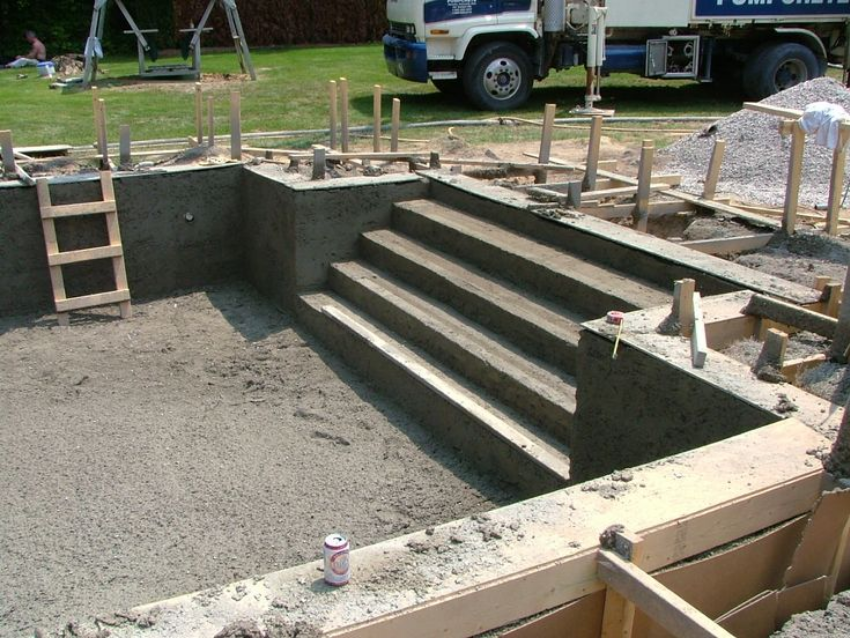
Over time, even the best-built swimming pools begin to show signs of wear. Exposure to chemicals, weather conditions, and regular use gradually affects the pool’s surface and structure.
For many homeowners, pool renovations South Africa become necessary not only to improve appearance but also to maintain functionality and safety.
One of the most effective renovation solutions is marbelite resurfacing, which restores the pool’s surface while improving durability and overall performance.
Signs Your Pool Surface Is Failing
The condition of your pool surface is one of the clearest indicators that renovation is needed.
Common signs include rough textures, visible cracks, discolouration, and staining. These issues not only affect the appearance of the pool but can also lead to discomfort for swimmers.
In more severe cases, surface damage can expose underlying structures, increasing the risk of leaks or further deterioration.
Addressing these issues early prevents more extensive damage and higher repair costs.
What the Renovation Process Involves
Professional pool resurfacing services follow a structured process to ensure long-lasting results.
The process begins with draining the pool and preparing the existing surface. This may involve removing damaged material and repairing any structural issues.
Once the surface is properly prepared, marbelite is applied evenly to create a smooth, durable finish. After curing, the pool is refilled and treated to ensure water balance and system functionality.
Proper application is essential to achieving a long-lasting and visually appealing result.
The Benefits of Marbelite Resurfacing
Marbelite is widely used due to its durability and versatility.
It provides a smooth finish that enhances both comfort and aesthetics. The material is also resistant to chemical damage and general wear, making it ideal for long-term use.
Resurfacing with marbelite restores the pool’s appearance, giving it a fresh and modern look while improving structural integrity.
Structural Considerations and Repairs
Before resurfacing, it is important to address any underlying structural issues.
Cracks, leaks, or weakened areas must be repaired to ensure that the new surface adheres properly and performs as expected.
Professional inspection ensures that these issues are identified and resolved before the resurfacing process begins.
Additional Upgrades During Renovation
Pool renovations provide an opportunity to introduce upgrades that improve both functionality and appearance.
This may include installing new scumline tiles, updating paving with Corobrik pavers, or upgrading filtration and circulation systems.
Combining resurfacing with these enhancements creates a more complete and long-lasting transformation.
Long-Term Value of Pool Renovations
Investing in pool renovation offers both immediate and long-term benefits.
A resurfaced pool is more visually appealing, easier to maintain, and less prone to damage. It can also increase property value and enhance the overall outdoor space.
By addressing issues early and using high-quality materials, homeowners can extend the lifespan of their pool significantly.
Conclusion
Over time, every pool requires attention to maintain its performance and appearance. Recognising the signs of surface wear and taking action early can prevent costly repairs and improve long-term durability.
Marbelite resurfacing is one of the most effective solutions for restoring a pool’s surface and ensuring continued reliability.
If your pool is showing signs of ageing or damage, contact A2Z Pool Services for professional renovation solutions tailored to your needs.
