
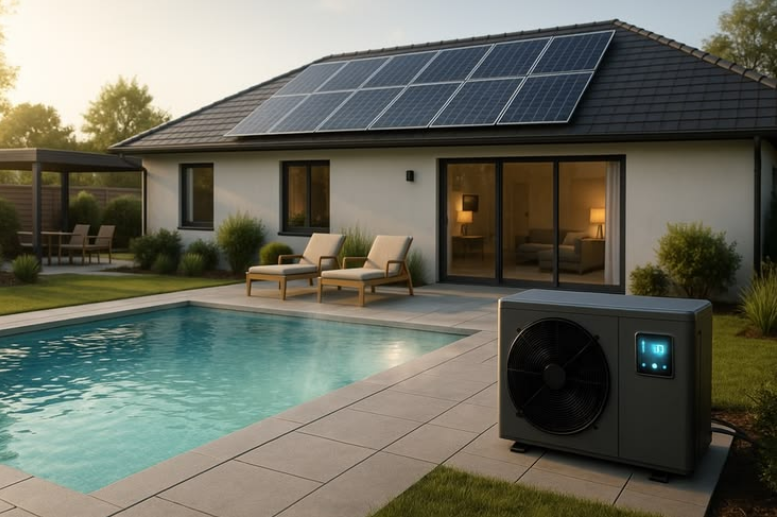
A swimming pool can be one of the most enjoyable features of a South African home, but cooler water can significantly shorten the amount of time homeowners actually use it. Even when daytime temperatures are pleasant, cold nights and seasonal changes can leave pool water less inviting.
Effective swimming pool heating can help extend the usable swimming season and make the pool more comfortable when natural water temperatures begin to drop.
Among the available heating solutions, inverter heat pumps provide homeowners with a modern option designed to heat pool water efficiently while adapting output according to demand.
A2Z Pool Services works with inverter heat pumps as part of its pool services, making this an upgrade worth considering for homeowners who want greater control over their pool temperature.
Heating Your Pool More Efficiently
Traditional thinking around pool heating often focuses simply on getting the water warm. Efficiency, however, is equally important.
A pool contains a large volume of water, which means maintaining a comfortable temperature requires a heating system capable of operating over extended periods.
Inverter technology is designed to adjust operation according to the amount of heating required rather than continuously working at maximum output.
This ability to adapt is one of the reasons energy efficient pool heating has become increasingly attractive to homeowners.
A properly selected system can maintain comfortable pool temperatures while avoiding unnecessary energy consumption associated with inefficient operation.
Choosing the Right Heat Pump
Not every pool requires the same heating capacity.
The correct heat pump depends on several factors, including:
- Pool size and water volume
- Desired water temperature
- Pool location
- Seasonal conditions
- Exposure to wind and weather
- Frequency of use
Selecting equipment purely according to price can result in disappointing performance if the unit is not appropriate for the pool.
Professional assessment helps determine the heating requirements before pool heat pump installation takes place.
How Inverter Heat Pumps Work
An inverter pool heat pump works by transferring heat from the surrounding air into the pool water.
Rather than generating all of its heat directly, the system captures available heat energy and transfers it through the heating process.
The inverter component allows the system to vary its operating output. When significant heating is required, it can work harder. As the water approaches the desired temperature, the system can reduce output and maintain the temperature more efficiently.
This differs from equipment that repeatedly operates at full output and then switches off.
The result is a more controlled approach to maintaining pool temperature.
Extending Your Swimming Season
One of the most obvious advantages of swimming pool heating is being able to use the pool for longer periods of the year.
Without heating, swimming comfort is largely dictated by weather conditions. Warm days may heat the surface temporarily, but cooler nights can quickly reduce water temperature.
A heat pump gives homeowners more control.
This can be particularly valuable for families who use their pools regularly and want to get more value from an outdoor area that might otherwise remain unused during cooler periods.
Heating does not change the weather, but it makes pool enjoyment less dependent on it.
Understanding Energy Efficiency
Running costs are an important consideration with any pool heating system.
Because pools contain so much water, inefficient heating can quickly become expensive. This is where the ability of inverter heat pumps to adapt their output becomes important.
Once the desired water temperature has been reached, the system does not necessarily need to continue operating at maximum capacity.
Maintaining temperature can require less energy than initially heating cold water, allowing inverter technology to adjust accordingly.
However, actual energy consumption will depend on factors such as pool size, ambient conditions, desired temperature and usage patterns.
For this reason, homeowners should consider overall system suitability rather than relying on a single efficiency claim.
Why Correct Sizing Matters
Installing a heat pump that is too small for the pool can create several problems.
An undersized unit may need to operate for long periods without reaching the desired temperature efficiently. This can undermine both comfort and energy-saving goals.
A unit should therefore be selected according to the specific requirements of the pool.
Factors such as water volume and environmental exposure should be assessed before installation.
Professional sizing helps ensure the equipment is capable of meeting the expected heating demand.
What Pool Heat Pump Installation Involves
A pool heat pump installation must integrate correctly with the existing circulation system.
Pool water needs to move through the heating equipment so heat can be transferred effectively before the water returns to the pool.
Installation planning therefore needs to consider:
- Existing pool pipework
- Water circulation
- Equipment positioning
- Electrical requirements
- Accessibility for future servicing
The heat pump also requires an appropriate location where airflow is not unnecessarily restricted.
Correct installation supports both heating performance and long-term equipment reliability.
Your Pool Circulation System Still Matters
A heat pump cannot perform effectively if the pool’s circulation system is not working properly.
Water needs to move through the system at the correct rate for effective heat transfer. Problems with pumps, filters, suction lines or return lines can therefore affect heating performance.
Before adding a heat pump, it may be worthwhile assessing the condition of existing pool equipment.
A heating upgrade should work as part of the overall pool system rather than being treated as an isolated component.
This is another reason professional installation is valuable.
Maintenance Helps Protect Performance
Like other pool equipment, inverter heat pumps require appropriate maintenance.
The surrounding area should remain clear enough to support airflow, while connections and components should be checked periodically.
The pool’s filtration and circulation systems should also remain in good condition.
Poor circulation can reduce heating effectiveness even when the heat pump itself is operating correctly.
Routine professional servicing can identify developing problems and help ensure that the heating system continues operating as intended.
Long-Term Benefits of Pool Heating
Installing a heat pump is not simply about making the water warmer on a particular day.
For many homeowners, the real value comes from being able to use the swimming pool more frequently.
A pool represents a significant part of an outdoor entertainment area. If it remains unused for much of the year because the water is uncomfortable, homeowners are not getting maximum enjoyment from that space.
Reliable heating can make the pool more practical for:
- Regular family swimming
- Morning or evening use
- Cooler weather
- Extended seasonal use
- Entertaining guests
For households that use their pools regularly, this additional flexibility can make heating a worthwhile upgrade.
Getting the Most from Energy Efficient Pool Heating
Heating efficiency is affected by more than the heat pump alone.
Good circulation, appropriate system sizing, correct installation and sensible temperature management all contribute to overall performance.
A pool that continually loses heat will naturally require more energy to maintain its temperature.
Homeowners should therefore think about heating as part of the wider pool system.
Professional advice can help identify whether existing equipment or circulation issues should be addressed alongside the installation.
Why Professional Installation Matters
A heat pump must be correctly connected to both the pool circulation system and the required electrical supply.
Incorrect installation can reduce performance, increase strain on equipment or create avoidable reliability issues.
Professional installers can evaluate the existing system, determine an appropriate position for the equipment and ensure that the heat pump works effectively with the pool’s current setup.
For homeowners investing in energy efficient pool heating, correct installation is essential to receiving the intended benefit from the equipment.
Is an Inverter Heat Pump Right for Your Pool?
The answer depends largely on how you use your swimming pool.
If the pool is only used occasionally during the hottest weeks of summer, heating may be less of a priority.
For households that want to swim more frequently, extend their swimming season or maintain more comfortable water temperatures, an inverter heat pump may provide significant practical value.
Before deciding, consider:
- How often the pool is used
- When during the year you want to swim
- Current water temperatures
- Pool size
- Existing equipment
- Heating expectations
A professional assessment can then help determine an appropriate solution.
Conclusion
South Africa’s climate provides plenty of opportunities to enjoy a swimming pool, but cooler water can still limit how often that pool is actually used.
Inverter heat pumps offer homeowners a modern approach to swimming pool heating, using variable operation to match heating demand and help maintain comfortable water temperatures efficiently.
The effectiveness of any heating system depends on correct sizing, installation, circulation and ongoing maintenance. Treating the heat pump as part of the wider pool system helps deliver better long-term results.
If you are considering pool heat pump installation, contact A2Z Pool Services to discuss your pool, existing equipment and heating requirements. A professionally installed solution can help you enjoy more comfortable swimming for more of the year.
