
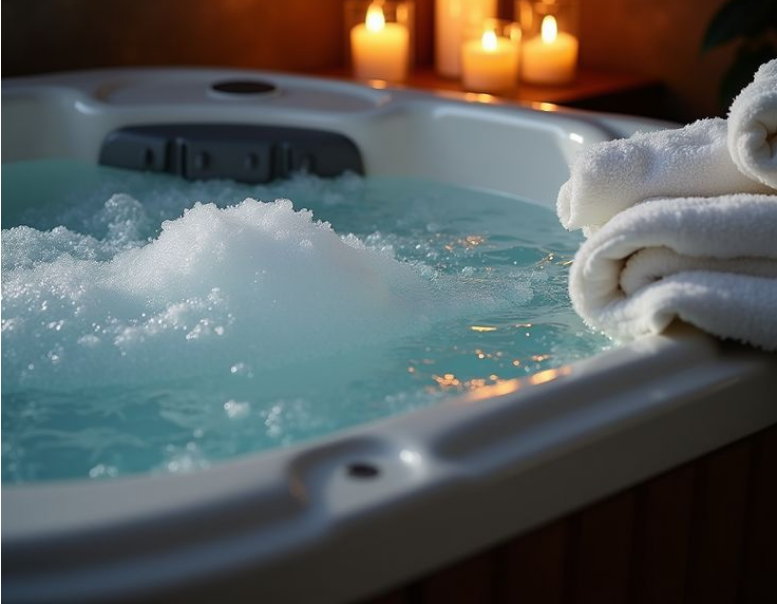
Installing a hot tub or spa can transform a property into a more relaxing and enjoyable environment. Whether for residential use, hospitality venues, gyms, or wellness spaces, a professionally installed spa system offers long-term comfort and lifestyle benefits.
However, successful installation requires careful planning. One of the most important decisions is whether the system will be installed indoors or outdoors.
Each option comes with unique advantages, technical requirements, and maintenance considerations. Understanding these differences helps property owners choose the setup that best suits their space and lifestyle.
Professional hot tub installation ensures that plumbing, electrical systems, ventilation, and structural support are all handled correctly from the beginning.
Planning the Right Location
Before installation begins, it is important to evaluate the available space carefully.
The chosen location must support the weight of the spa when filled with water and occupied. Accessibility, drainage, privacy, and long-term maintenance access should also be considered.
Indoor and outdoor installations each require different preparation and planning approaches.
Installation Requirements and Maintenance
Every spa installation requires a combination of plumbing, electrical work, and ongoing maintenance planning.
Professional installers ensure that all systems are integrated correctly, comply with safety standards, and operate efficiently.
Proper installation also reduces the risk of future leaks, equipment failure, or structural damage.
Indoor Jacuzzi Installation Benefits
An indoor jacuzzi installation offers several advantages for homeowners and commercial venues.
Indoor systems are protected from weather exposure, which can reduce long-term wear on components and simplify maintenance.
They also provide greater privacy and year-round usability regardless of outdoor temperatures or weather conditions.
Indoor spas can become part of a wellness room, entertainment space, or luxury bathroom environment, creating a more integrated indoor relaxation experience.
Indoor Installation Challenges
Although indoor systems offer convenience, they also require careful ventilation planning.
Hot tubs generate significant moisture, which can lead to condensation, humidity problems, or mould growth if ventilation is inadequate.
Proper drainage and waterproofing are also essential to protect surrounding floors and walls.
Electrical systems must be installed safely to comply with indoor moisture-related safety requirements.
Professional installation ensures these risks are managed correctly.
Outdoor Spa Setup Advantages
An outdoor spa setup creates a more open and natural relaxation environment.
Many homeowners enjoy the experience of using a spa outdoors while entertaining guests or enjoying garden spaces.
Outdoor installations also offer greater flexibility in terms of size and positioning, especially on larger properties.
Because the system is located outside, moisture and ventilation concerns are generally easier to manage compared to indoor installations.
Outdoor Installation Considerations
Outdoor spas require protection from weather conditions and environmental exposure.
Direct sunlight, rain, debris, and fluctuating temperatures can all affect system performance and increase maintenance requirements over time.
Choosing the right location helps protect the spa while maintaining accessibility and visual appeal.
Covers, paving, and drainage solutions also play an important role in protecting the installation.
Plumbing and Electrical Setup
Both indoor and outdoor spas require professional plumbing and electrical integration.
Water circulation systems, drainage, pumps, and heating components must all be connected correctly to ensure safe and efficient operation.
Electrical systems must comply with safety regulations and provide stable power for pumps, heaters, blowers, and control systems.
Improper installation can lead to operational problems, safety risks, or premature equipment failure.
Ongoing Maintenance Requirements
Routine maintenance is essential regardless of installation location.
Water chemistry, filtration systems, pumps, and heating equipment all require regular servicing to maintain performance and hygiene.
Professional maintenance helps prevent costly repairs while extending the lifespan of the spa system.
Regular inspections also ensure that all components continue operating safely and efficiently.
Why Professional Installation Matters
Professional spa installation South Africa services provide expertise that protects both the equipment and the property itself.
Experienced installers understand structural requirements, water circulation systems, electrical safety, and long-term maintenance considerations.
Proper installation not only improves reliability but also helps avoid expensive problems later.
Working with professionals ensures the spa performs efficiently and delivers a safe, enjoyable experience for years to come.
Conclusion
Installing a hot tub or spa is an investment in comfort, relaxation, and property value. Whether choosing an indoor or outdoor setup, careful planning and professional installation are essential for long-term success.
Each option offers unique benefits and considerations, from ventilation and privacy to weather protection and maintenance access.
For reliable hot tub installation and professional spa solutions, contact A2Z Pool Services for expert advice and installation services tailored to your property.
