
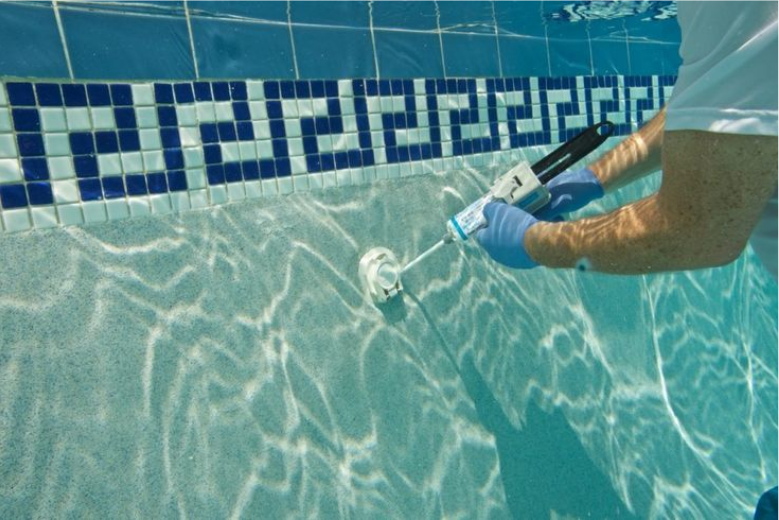
A swimming pool naturally loses a certain amount of water through evaporation, splashing and regular use. However, when the water level begins dropping faster than expected, repeatedly topping up the pool is unlikely to solve the underlying problem. Excessive pool water loss can be one of the first signs that a leak has developed somewhere in the pool, pipework or equipment.
Some swimming pool leaks are relatively easy to identify, while others can remain hidden for a long time. A small leak in underground pipework, for example, may continue losing water without creating an obvious visible problem around the pool.
The longer a leak is left unresolved, the greater the potential for additional problems. Apart from wasting water, leaks can affect pool performance, place unnecessary pressure on equipment and contribute to damage around the pool.
Knowing what to look for can help pool owners recognise a potential problem early and arrange professional pool leak detection before a minor fault becomes a much larger repair.
Recognising the Early Warning Signs
Unexplained water loss is the most obvious indication of a possible leak, but it is not the only warning sign.
Pool owners should pay attention to changes in how frequently the pool needs topping up. If you suddenly find yourself adding significantly more water than usual without a clear reason, the pool should be investigated.
Other potential warning signs include:
- A noticeably falling water level
- Damp or unusually wet areas around the pool
- Cracks or deterioration around the pool structure
- Air entering the circulation system
- Reduced water pressure
- Pool equipment losing prime
- Unexplained changes in system performance
One symptom alone does not necessarily confirm a leak. However, recurring water loss combined with changes in circulation or visible deterioration should not be ignored.
Professional Leak Detection vs Guesswork
Finding a leak is not always as simple as identifying a visible crack.
A swimming pool contains several areas where water loss can occur, including the pool surface, fittings, suction lines, return lines and equipment. Without identifying the actual source, repair attempts can become a process of trial and error.
Professional pool leak detection focuses on locating the cause of the problem before deciding on the appropriate repair.
This matters because replacing or repairing the wrong component does nothing to stop the water loss. Accurate diagnosis can save time and prevent unnecessary work.
Is It a Leak or Normal Water Loss?
Before assuming that a pool is leaking, it is important to remember that some water loss is normal.
Hot weather, wind, low humidity and frequent swimming can increase evaporation. Water can also be lost when swimmers enter and leave the pool or during routine cleaning.
The concern begins when water levels drop consistently beyond what would normally be expected for the conditions.
A useful approach is to monitor the water level over several days. If the pool requires frequent topping up even when usage and weather conditions have not changed significantly, further investigation may be necessary.
Professional assessment can distinguish between normal evaporation and a genuine leak.
Structural Warning Signs Around Your Pool
Changes to the pool itself can sometimes reveal where a problem is developing.
Cracks should be monitored carefully, particularly if they appear to grow or are accompanied by unusual water loss. Surface deterioration may also warrant further investigation.
The area surrounding the pool can provide additional clues. Persistent dampness or unusual wet patches may indicate that water is escaping somewhere it should not.
Not every crack means the pool is leaking, and not every leak produces a visible crack. This is why structural warning signs should be considered alongside water loss and system performance rather than viewed in isolation.
Early inspection allows the cause to be established before deciding what repair work is necessary.
Pool Pipework Leaks Can Be Difficult to See
The plumbing system is one of the less visible parts of a swimming pool, yet it plays a critical role in keeping water moving.
A2Z Pool Services works with pool suction and return lines, which form an important part of the circulation system. Problems within these lines can contribute to water loss and poor circulation.
Because much of the pipework may be concealed, a leak can continue without producing an obvious sign at the surface.
Possible indications of a pipework issue include:
- Loss of water when the pump is operating
- Reduced circulation
- Difficulty maintaining pump prime
- Air entering the system
- Damp areas near pipe routes or equipment
Pipework problems require proper diagnosis. Assuming the location of a hidden leak can result in unnecessary repairs without resolving the actual cause.
Equipment Leaks Should Not Be Overlooked
Not all pool leaks originate from the pool structure or underground plumbing.
Water can also escape around equipment and connections. The pump, filter system, valves, seals and connecting pipework should all be considered when investigating unexplained water loss.
Inspecting the equipment area can sometimes reveal obvious dripping or pooling water. Other leaks may only occur while the system is operating.
Small equipment leaks can become larger over time, particularly when seals or fittings continue deteriorating.
Addressing these problems early can protect both the affected component and surrounding pool equipment.
Why Water Loss Can Affect Pool Performance
A leaking pool is not simply a water conservation problem.
As water escapes and fresh water is repeatedly added, maintaining stable pool conditions can become more difficult. Circulation can also be affected if water levels fall too low.
If a leak is associated with suction or return lines, the efficiency of the entire circulation system may be compromised.
Pool pumps and filtration equipment depend on predictable water flow. A system that is continually losing water or drawing in air may not operate as intended.
This is why pool leak repair should address the cause of the water loss rather than simply treating the visible symptoms.
The Cost of Ignoring a Swimming Pool Leak
A small leak may not seem urgent, particularly if the pool still looks normal and the equipment continues running.
However, repeatedly replacing lost water can become expensive and wasteful. More importantly, unresolved leaks can develop into larger repair requirements.
Depending on where the leak originates, continued water loss may contribute to:
- Increased water consumption
- Reduced circulation efficiency
- Equipment strain
- Damage around the pool
- Larger plumbing repairs
- More complicated renovation work
Early action usually gives pool owners more options than waiting until the problem becomes severe.
What Happens During a Professional Inspection?
A professional inspection starts by considering the symptoms rather than immediately assuming where the leak is located.
The technician may assess the rate of water loss, pool condition, circulation performance, visible fittings, pipework and equipment.
The objective is to narrow down the possible causes and identify where further investigation is required.
Once the source has been established, the correct pool leak repair can be planned.
This methodical approach reduces guesswork and helps ensure that repair work addresses the actual fault.
Prevention Through Routine Pool Care
Not every leak can be prevented, but regular pool maintenance makes it easier to identify developing problems.
Changes in water level, pressure, equipment noise or circulation are easier to notice when the pool is monitored consistently.
Routine maintenance also creates opportunities to inspect accessible equipment and pipe connections before minor deterioration becomes a major problem.
For homeowners, paying attention to how the pool normally behaves is one of the simplest forms of preventative care. When something changes unexpectedly, investigating early can make a significant difference.
When Should You Contact A2Z Pool Services?
If you are repeatedly adding water to your pool without knowing why, it is worth having the system inspected.
The same applies if you notice changes in circulation, damp areas, visible leaks around equipment or unexplained deterioration around the pool.
A2Z Pool Services provides swimming pool repair services and can inspect pool problems before they become more serious and costly.
Rather than continuing to top up the pool and hoping the problem disappears, identifying the source allows an appropriate repair to be planned.
Conclusion
Swimming pool leaks can begin quietly. A little extra water added each week may not initially seem concerning, but persistent pool water loss deserves attention.
Leaks can develop in several areas, from equipment and fittings to suction and return lines. Recognising warning signs early and arranging professional pool leak detection can help prevent unnecessary water waste and more extensive repairs.
If you suspect your pool is losing more water than it should, contact A2Z Pool Services for professional assessment and pool leak repair solutions. Finding the source early is one of the best ways to protect your swimming pool and keep it operating reliably.
